Maintaining Life While Studying for Medical Exams
A practical guide for doctors preparing for medical exams who want to keep study moving without losing sleep, relationships, health, recovery, work functioning, and basic life routines.
Many doctors try to make room for exam preparation by making life smaller: less sleep, fewer meals, less movement, fewer conversations, less recovery, and more catch-up. This can work briefly, but over time it can make preparation harder to sustain.
Maintaining life is not about keeping everything unchanged. It is about protecting the minimum life supports that keep you functioning, learning, recovering, and returning to useful study.
The goal is not perfect balance
The goal is to protect enough life to keep preparation sustainable.
What Is Being Squeezed Most Right Now?
Choose the closest version of the problem. You can come back to the rest later.
My study plan only works if life disappears
Symptom: sleep, meals, recovery, or relationships keep being sacrificed to stay on track.
I do not know what to protect versus reduce
Symptom: everything feels important, so I end up sacrificing the wrong things.
Study guilt is spreading into everything
Symptom: sleep, food, downtime, and family time all feel like failures.
I need a fallback version of life and study
Symptom: the full plan breaks whenever the week becomes difficult.
The Life Compression Loop
The problem is self-reinforcing: early sacrifices can reduce study quality, which then creates even more pressure to sacrifice life supports again.
Study pressure increases
Life supports are reduced
Recovery and connection decline
Study quality drops
Guilt and catch-up pressure rise
Even more life gets sacrificed
Why Maintaining Life Matters for Medical Exam Preparation
Medical exam preparation rarely happens in an empty life. Most candidates are studying around clinical work, rosters, family responsibilities, commuting, fatigue, sleep needs, relationships, admin, and ordinary life maintenance.
When life is gradually stripped away, the study plan may look more serious on paper but become less sustainable in practice. Sleep, food, movement, connection, recovery, and basic routines are not luxuries if their absence makes study quality decline.
A realistic preparation system protects enough life to keep the candidate functioning, learning, recovering, and returning to the work that matters.
Life supports recovery
Sleep, food, movement, downtime, and connection help restore the capacity needed for useful study.
Life supports perspective
A preparation system that contains only study and work can make every mistake, delay, or difficult session feel larger than it is.
Life supports sustainability
Candidates usually need a plan that can survive months of preparation, not only a few heroic weeks.
Compression Is Normal. Collapse Is the Problem.
Compression
Study takes more space than usual for a period. Some activities shrink temporarily, but the system still functions.
Collapse
Sleep, recovery, work functioning, relationships, and basic routines are repeatedly sacrificed until study quality also starts to decline.
This Is Not About Perfect Balance
During medical exam preparation, perfect balance may not be realistic. There may be periods where study legitimately takes more space than usual.
The problem is not that life becomes temporarily compressed. The problem is when everything outside study disappears for so long that preparation becomes harder to sustain, relationships are repeatedly neglected, recovery collapses, and the candidate has no life structure left to support performance.
Protect What Sustains Performance. Reduce What Can Safely Shrink.
A good exam plan reduces optional load before it repeatedly sacrifices the supports that keep the candidate functioning.
Protect
Sleep, food, medication, hygiene, movement, core relationships, clinical functioning, and basic admin.
Reduce
Optional commitments, ideal household standards, social volume, low-value study tasks, unnecessary resource searching, and carrying every missed task forward.
When Life Is Being Squeezed Too Far
If three or more of the following are happening repeatedly, the plan is probably borrowing too much from life.
The Life-Sustaining Study Framework
Use this framework to decide what gets protected before the timetable expands further.
Non-negotiables
What must remain protected for health, work, relationships, and basic functioning?
Reducibles
What can shrink temporarily without serious damage?
Recovery anchors
What restores enough capacity for the next useful study block?
Connection points
What small actions preserve the relationships that matter most?
Restart rules
What happens when life disrupts the full study plan?
Minimum Viable Life During Exam Preparation
In a difficult week, the goal is not a well-balanced life. The goal is a week that still functions.
Basic functioning
One recovery anchor
One connection point
One restart rule
Minimum viable routine
The basic sleep, food, hygiene, medication, movement, and admin needed to keep the week from collapsing.
Minimum viable connection
The smallest reliable contact with the people who matter most.
Minimum viable recovery
The smallest recovery action that makes the next useful study block more likely.
Minimum viable study
The smallest study task that protects progress without pretending the full plan is possible.
If Other People Depend on You
For candidates with partners, children, or other dependents, sustainable preparation needs to account for the fact that other people still need you during the exam period.
Protect one reliable family routine
A smaller but dependable routine is often better than vague promises that disappear under pressure.
Name what is changing and for how long
Clarity often helps more than silent withdrawal or unclear expectations.
Avoid vague promises
It is usually better to protect one realistic point of contact than to repeatedly over-promise and cancel.
Reduce standards before reducing relationships
Lower domestic or optional standards before allowing important relationships to disappear completely.
Relationships During Exam Preparation
Relationships often suffer not because they matter less, but because exam preparation becomes too undefined, too invisible, and too total.
The goal is not to maintain the same social life as before. The goal is to avoid making the people who matter disappear from the system entirely.
Make the compression explicit
Tell key people what is changing, why it is temporary, and what small forms of connection you are trying to protect.
Protect small connection points
Short, reliable contact may be more realistic than long, infrequent promises that keep being cancelled.
Avoid all-or-nothing connection
If you cannot do a full evening, a walk, meal, message, school run, or small shared routine may still matter.
Small Scripts for the Exam Period
It helps to make the exam period explicit rather than hoping everyone will infer what has changed.
When Life Gets Compressed, Do Not Automatically Do These
A Useful Starting Point This Week
If life is being squeezed too far, start by fixing the structure of the week rather than simply promising to “study harder.”
Decide what in life must stay protected.
Decide what can safely shrink.
Protect one recovery anchor.
Protect one connection point.
Build one restart rule for when the full plan breaks.
Common Mistakes When Trying to Maintain Life and Study
These mistakes often happen when candidates treat life as the enemy of study rather than part of the system that keeps study possible.
Blaming life instead of fixing the plan
Life responsibilities are not automatically the problem. The problem is often the absence of a plan that accounts for them.
Protecting study by burning the supports beneath it
Study may gain time but lose quality if every extra hour is taken from sleep, food, movement, or recovery.
Expecting others to understand the exam period without explanation
Partners, family, friends, or colleagues may not know what has changed, what is temporary, or what support would help.
Trying to keep every standard intact
Trying to maintain every routine, social expectation, household standard, and study goal may create an impossible load.
Letting urgency outrank what actually sustains performance
Study can feel urgent every day, but some life supports are important enough that repeatedly sacrificing them weakens the whole preparation system.
Assuming life will bounce back without repair
If relationships, routines, and recovery have been neglected for months, they may need deliberate rebuilding rather than simply returning on their own.
Letting guilt organise the week
If guilt decides every study and life choice, the plan may become reactive rather than strategic.
This page is about study planning and exam performance. If exam preparation is affecting mental health, safety, relationships, work functioning, or your ability to cope, seek appropriate medical, psychological, or professional support.
When a 1:1 Planning Session May Help
A 1:1 Exam Performance Planning Session may help when exam preparation is not just taking more time, but repeatedly crowding out the life supports that keep study, work, recovery, and relationships functioning.
The plan only works if life disappears
You may need a preparation system that protects sleep, recovery, relationships, and basic routines rather than treating them as expendable.
You are unsure what to protect or reduce
You may need help deciding what is essential, what can shrink, and what should stop being carried forward.
Study guilt is affecting everything
Rest, family time, movement, and recovery may feel like failures even when they are necessary for sustainable preparation.
You need a realistic preparation system
You need a plan that can survive clinical work, family responsibilities, fatigue, recovery needs, and imperfect weeks.
If exam preparation is crowding out sleep, recovery, relationships, or basic functioning, the issue may not be commitment alone. The preparation system may need redesign.
Register Interest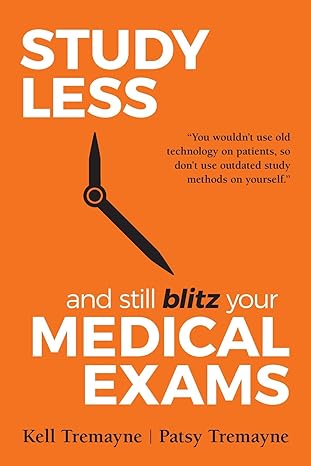
Recent Articles


-
Viva Answer Structure for Medical Exams
Jul 11, 26 10:42 PM
Structure medical viva answers by framing the response, stating the key point, making reasoning audible and stopping cleanly under examiner pressure. ` -
How to Prioritise Points in SAQ Answers
Jul 11, 26 10:11 PM
Prioritise medical SAQ points by identifying the task, ranking clinical value, writing likely marking points first and removing low-yield detail. -
How to Structure SAQ Answers Under Time Pressure
Jul 11, 26 09:51 PM
Structure medical SAQ answers under time pressure by identifying the task, planning markable points, prioritising content and protecting completion.